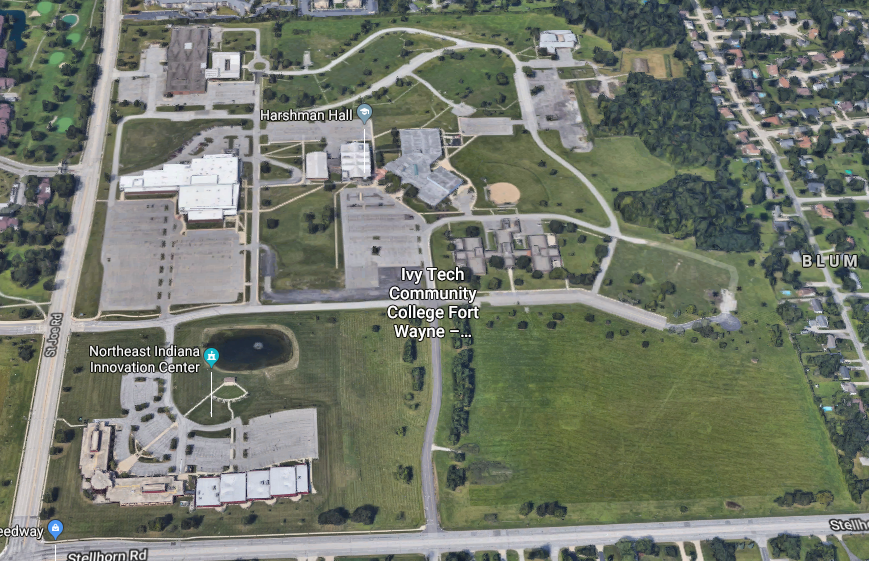
College campuses can feel like mazes—especially the first time you step foot on one. For students, parents, or visitors at any Ivy Tech Community College location, knowing where classrooms, labs, parking, and student services are located isn’t just convenient—it’s essential. The Ivy Tech campus map isn’t just a digital drawing; it’s a lifeline for efficient navigation, time management, and reducing first-day anxiety.
With more than 25 locations across Indiana, Ivy Tech’s decentralized model offers accessibility—but also complexity. That’s where the campus map comes in: a practical tool that transforms confusion into clarity.
Why the Ivy Tech Campus Map Matters More Than You Think
Most students glance at a campus map once—on orientation day—then forget about it. But the reality is that the map can save time, reduce stress, and improve academic performance by ensuring punctuality and familiarity with key academic and support spaces.
Think about it: you don’t want to miss a lab session because you couldn’t find the science building. You don’t want to circle parking lots for 20 minutes before an exam. And you certainly don’t want to walk into the wrong building looking for financial aid.
The Ivy Tech campus map isn’t just about buildings and sidewalks. It shows:
- Academic buildings and classroom wings
- Administrative offices (registrar, bursar, advising)
- Library and learning commons
- Parking lots and visitor zones
- Accessibility ramps and ADA-compliant routes
- Dining areas and student lounges
Ignoring the map means relying on memory or real-time searches—both of which fail under pressure.
How to Access the Ivy Tech Campus Map Online
Navigating an Ivy Tech campus starts before you leave home. The official campus maps are hosted on the Ivy Tech website and are accessible through each campus’s individual page.
Here’s how to find it:
- Go to ivytech.edu
- Click “Locations” in the top menu
- Select your campus (e.g., Indianapolis, Fort Wayne, Lafayette)
- On the campus homepage, look for “Campus Map” or “Visit Campus”
- Click to open the interactive or downloadable PDF map
Most campuses offer both an interactive web version and a printable PDF. The interactive map is ideal for mobile use, while the PDF is perfect for offline access or printing.
Pro tip: Save the map URL to your phone’s home screen. Rename it “Ivy Tech Map” so it’s easy to access in a hurry.
Key Features of the Interactive Campus Map
The newer Ivy Tech campus maps use interactive tools powered by mapping platforms like Google Maps or custom GIS systems. These aren’t static images—they’re dynamic navigation aids.
Key features include:
- Searchable locations: Type in “Admissions Office” or “Math Lab” to get pinpoint directions
- Zoom and pan functions: Explore every corner of the campus
- Parking guidance: Color-coded zones for students, staff, and visitors
- Accessibility routing: Paths designed for mobility devices or limited walking distance
- Building labels and floor plans (available on some campuses): See room numbers and department locations
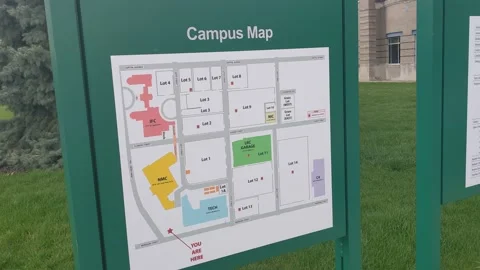
For example, on the Indianapolis campus map, you can click on “NT (North Tower)” to see that Room NT123 houses the biology lab—critical info when you’re rushing between classes.
Limitation: Not all campuses have floor-level detail. Smaller locations like the Ivy Tech Kokomo extension site may only show building outlines and parking. Always check the map version and update date.
Navigating Specific Campus Layouts: Real-World Examples
Each Ivy Tech campus has a unique footprint. Understanding the layout of your specific location prevents wasted time and frustration.
Indianapolis (Indianapolis Campus) The largest Ivy Tech location, this campus stretches across several city blocks near 38th and Michigan Road. The map reveals a north-south split: academic buildings to the north, administrative offices and student services in the center, and parking spread across multiple lots.
Common mistake: Students often park in Lot D, not realizing it’s reserved for staff after 9 a.m. The map shows time-restricted zones—check the legend.
Fort Wayne (Fort Wayne Campus) Built around a central quad, this campus uses a ring road system. The map highlights building abbreviations like “AT” (Academic Tower) and “T” (Technology Building). Pro tip: The shortest path between AT101 and T205 cuts through the student commons—not around the outer road.
Lafayette (Lafayette Campus) Situated near the Wabash River, this campus uses a grid pattern. The map clearly marks the main entrance off South 9th Street and the one-way traffic flow for drop-offs. Visitors frequently miss the designated student pickup zone near the gym—visible only on the detailed map.
These examples show why a one-size-fits-all approach fails. Your campus map is a tailored guide—not a generic layout.
How to Use the Campus Map as a New Student
Starting college is overwhelming. Using the campus map proactively can give you a critical head start.
7-Day Campus Prep Plan Using the Map:
- Day 1: Download the map and identify your first-day classrooms
- Day 2: Trace your route from parking to each classroom—note landmarks
- Day 3: Locate key support offices (advising, tutoring, bookstore)
- Day 4: Find restrooms, water fountains, and quiet study areas
- Day 5: Check for construction zones or detours (some maps update in real time)
- Day 6: Time your walk from parking to class using the map’s distance cues
- Day 7: Review building abbreviations and room numbering (e.g., “SC110” = Science Center, Room 110)
Bonus: Use Google Maps to street-view your route. Combine real-world visuals with the campus map for full confidence.
Common Map Misinterpretations and How to Avoid Them
Even with a good map, mistakes happen. Here are frequent issues and how to bypass them:
- Misreading building abbreviations: “LC” might mean Learning Commons or Library Center depending on campus. Always check the map key.
- Assuming all paths are open: Some walkways close in winter or during construction. Look for temporary closure notes.
- Overlooking indoor routes: At larger campuses, you can walk between buildings via enclosed hallways (e.g., between NT and ST towers in Indianapolis). The map shows these as dashed connectors.
- Ignoring scale: A 5-minute walk on the map might take 10 minutes with backpacks and stairs. Add buffer time.
- Trusting outdated PDFs: Always verify the map version. The footer should list the update date.
Workshop tip: Advisors recommend cross-referencing the map with the class schedule. If your Room SC210 class is at 8:00 a.m. and your parking is on the south lot, test the walk the day before.
Campus Map Accessibility and Inclusivity Features
Ivy Tech is committed to accessibility, and the campus maps reflect that. Most interactive versions include ADA-compliant routing options.
What to look for:
- Blue wheelchair icons marking accessible entrances
- Elevator locations within multi-level buildings
- Ramps and curb cuts on pathways
- Routes that avoid stairs or gravel paths
For students with sensory or cognitive needs, some campuses offer simplified maps with high-contrast colors and minimal text. These are available upon request through Disability Support Services.
If you rely on mobility aids, test the route during off-peak hours. Use the map to plan ahead—and contact campus security if you spot an unmarked barrier.
Maximizing Your Campus Experience Beyond Navigation
The campus map isn’t just for getting from point A to B. Smart students use it to enhance their college experience.
Examples:
- Find the quietest study spots (often in building basements or library annexes)
- Locate free printing stations or computer labs
- Identify outdoor seating areas for breaks
- Plan efficient routes between work-study jobs and classes
At the Evansville campus, for instance, the map shows the veteran services office is next to the counseling center—ideal for students managing transition stress.
Don’t just navigate. Strategize.
Make the Ivy Tech Campus Map Part of Your Daily Routine
You wouldn’t drive a long trip without GPS. Don’t navigate college without your campus map.
Whether you’re a first-semester student, a returning adult learner, or a guest attending a workshop, the Ivy Tech campus map is your most reliable tool for confidence and efficiency. Use it early. Use it often. Use it wisely.
Visit your campus page today, download the latest map, and take a 10-minute tour—on screen or in person. Familiarity breeds success.
Frequently Asked Questions
Where can I find the official Ivy Tech campus map? Visit ivytech.edu, select your campus under “Locations,” and click “Campus Map” on the local page.
Are all Ivy Tech campus maps interactive? Most larger campuses have interactive versions, but smaller sites may only offer PDFs. Check your campus page for details.
Do Ivy Tech maps show parking restrictions? Yes, maps typically label zones for students, staff, visitors, and time-limited areas. Always verify with campus signage.
Can I download the campus map for offline use? Yes, PDF versions are available for download and printing on most campus websites.
Are building abbreviations consistent across campuses? No, abbreviations vary by location. Always consult the map legend for definitions.
Does the campus map include room numbers? Interactive maps often show room numbers; PDFs may not. Larger campuses are more detailed.
How often are Ivy Tech campus maps updated? Updates occur when new buildings open, renovations finish, or traffic patterns change—usually 1–2 times per year.
FAQ
What should you look for in Navigating the Ivy Tech Campus Map with Confidence? Focus on relevance, practical value, and how well the solution matches real user intent.
Is Navigating the Ivy Tech Campus Map with Confidence suitable for beginners? That depends on the workflow, but a clear step-by-step approach usually makes it easier to start.
How do you compare options around Navigating the Ivy Tech Campus Map with Confidence? Compare features, trust signals, limitations, pricing, and ease of implementation.
What mistakes should you avoid? Avoid generic choices, weak validation, and decisions based only on marketing claims.
What is the next best step? Shortlist the most relevant options, validate them quickly, and refine from real-world results.


