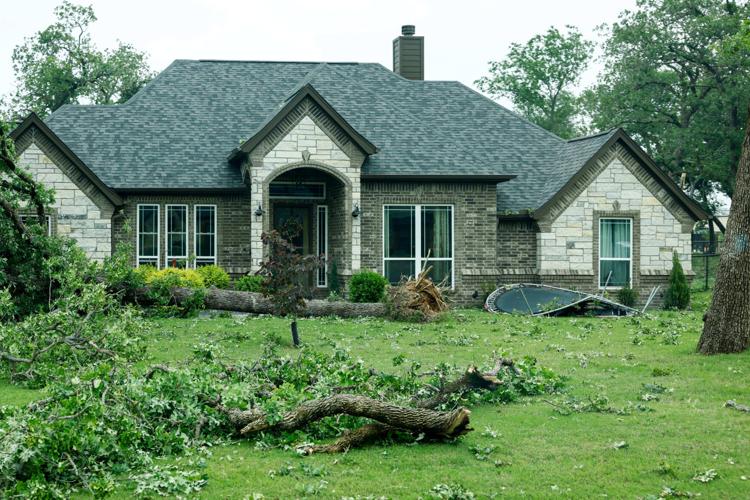
Tornadoes don’t just destroy structures—they shatter lives. In northern Texas, at least two people are confirmed dead after violent storms ripped through communities, obliterating homes, flipping vehicles, and leaving behind a trail of wreckage that emergency crews are still sorting through. This isn’t an anomaly. It’s a harsh reminder of how quickly nature can escalate from warning to catastrophe.
The National Weather Service confirmed multiple tornado touchdowns across the region, with one EF-3 storm cutting a path of destruction near the Red River Valley. Entire neighborhoods have been reduced to debris fields, power lines dangle from shattered poles, and rescue teams are working around the clock to ensure no one remains trapped.
What Happened During the Northern Texas Tornado Outbreak?
The severe weather system moved in overnight, catching some residents off guard despite advanced warnings. The first confirmed fatalities occurred in rural counties where homes were not built to withstand high-wind events. One victim was found in a partially collapsed mobile home near Decatur; another was discovered under rubble in a single-family residence outside Wichita Falls.
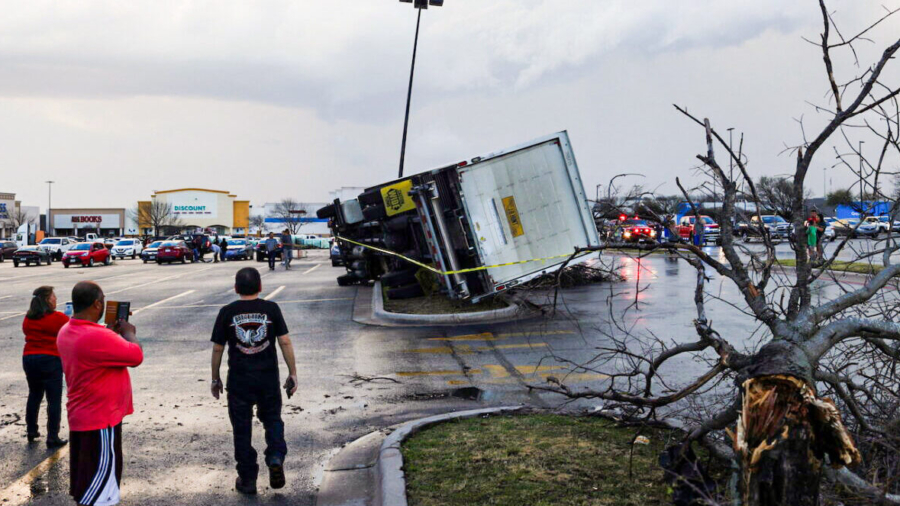
Emergency dispatchers reported an overwhelming number of 911 calls within minutes of the tornadoes touching down. First responders arrived to scenes of complete devastation—vehicles wrapped around trees, roofs torn off and carried hundreds of yards, and personal belongings scattered across cornfields.
Meteorologists attribute the outbreak to a volatile mix of warm, moist air from the Gulf colliding with a strong upper-level trough. This created ideal conditions for supercell thunderstorms capable of producing long-track tornadoes. Radar showed strong rotation for over 30 minutes before touchdown, but in remote areas, even 15 minutes of warning isn’t always enough.
The Human Cost Behind the Headlines
When news breaks of “at least two dead,” it’s easy to treat the figure as abstract. But behind each number is a story. A grandmother who stayed behind to secure her pets. A young father trying to shield his child in a closet. These are not dramatizations—they’re plausible scenarios in homes that lacked storm shelters or basements.
In one hard-hit subdivision, neighbors described hearing a freight-train roar moments before windows exploded inward. One resident, rescued from beneath a collapsed garage, said, “There was no time to run. One second I was turning on the weather radio, the next, the roof was gone.”
Survivors now face a different kind of storm: uncertainty. Many lost everything—identification, medications, insurance documents. Local shelters are filling with displaced families, some waiting to hear if their homes still exist.
Why Some Homes Were No Match for the Storm
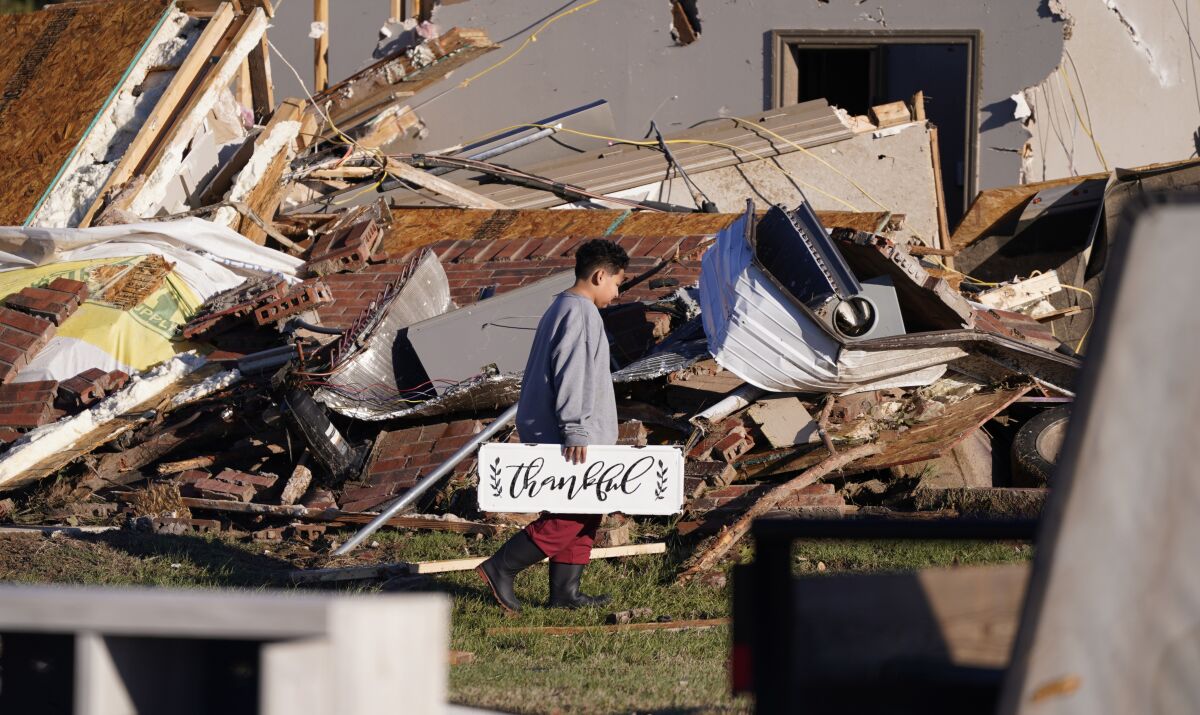
Not all structures are built equally. In rural northern Texas, many homes are older, wood-framed, and lack reinforced foundations. Mobile homes, in particular, are highly vulnerable. The CDC reports that mobile homes account for nearly half of all tornado-related fatalities, despite making up only about 6% of U.S. housing.
Here’s a breakdown of structural vulnerabilities exposed by this event:
| Structure Type | Wind Resistance | Typical Damage Level | Survival Risk |
|---|---|---|---|
| Mobile home | Low | Complete destruction likely | High |
| Frame house (no加固) | Moderate | Roof loss, wall collapse | Medium to high |
| Brick home | Moderate to high | Partial damage, roof uplift | Medium |
| Storm shelter / safe room | Very high | Minimal to none | Very low |
Many homes in the affected areas had no access to underground shelters. Even above-ground safe rooms—when properly installed—are rare outside urban centers. This disparity in preparedness infrastructure directly impacts survival rates.
Emergency Response and Search Efforts
Within hours of the storms passing, Texas Task Force 1 deployed search and rescue units equipped with thermal imaging cameras and K-9 teams. Drones surveyed inaccessible zones, helping prioritize areas where survivors might be trapped.
Local fire departments coordinated with county emergency management to establish triage centers. The American Red Cross activated mobile feeding units, distributing water, meals, and hygiene kits. Still, logistical challenges persist—downed power lines and blocked roads are slowing progress.
One major hurdle: communication breakdowns. Cell towers were damaged, and backup generators failed at key locations. First responders resorted to handheld radios and pre-arranged meeting points, a throwback to older emergency protocols.
Despite these setbacks, multiple survivors have been pulled from wreckage. One 12-year-old girl was found alive under a collapsed bedroom wall, hydrated and conscious after nearly eight hours. Her father, who died shielding her, was posthumously credited with saving her life.
How Warning Systems Performed
The National Weather Service issued tornado warnings 20–25 minutes before impact—well within the average lead time of 12–15 minutes. But warnings only save lives if they’re received and acted upon.
Several factors undermined effectiveness:
- Siren limitations: Many rural areas don’t have outdoor warning systems. Even where they exist, sirens are often ignored during nighttime hours.
- Smartphone dependency: Emergency alerts rely on cell service, which failed in multiple zones as towers went offline.
- Warning fatigue: In regions prone to severe weather, repeated false alarms lead to complacency.
A resident in Clay County said, “We’ve had so many alerts that didn’t amount to anything, I thought this one would blow over too.” He lost his roof minutes later.
Communities now face a hard question: How do you make warnings impossible to ignore without causing panic?
Long-Term Recovery: What Comes After the Storm
The immediate danger has passed, but recovery will take months, if not years. The Federal Emergency Management Agency (FEMA) has deployed damage assessment teams. Preliminary reports suggest over 150 homes were destroyed or severely damaged.
Homeowners face a grueling process:
- Documenting damage with photos and videos before cleanup.
- Filing insurance claims, often complicated by flood exclusions or outdated policies.
- Applying for disaster assistance, which can take weeks to process.
- Rebuilding, often with updated codes—assuming they can afford it.
Local officials are already discussing zoning changes and incentives for storm-safe construction. Proposals include tax breaks for installing safe rooms and stricter building codes in high-risk zones.
But not everyone can wait for policy changes. For families living in temporary shelters, the priority is simple: safety, stability, and a place to call home again.
Lessons from the Northern Texas Tornado Tragedy
This event underscores three critical realities:
- Warning time isn’t survival time. Knowing a tornado is coming doesn’t help if you don’t have a safe place to go.
- Rural resilience is underfunded. Emergency infrastructure lags behind urban centers, despite higher per-capita risk.
- Individual preparedness saves lives. Families with emergency plans, communication strategies, and designated safe spaces fared better—even when their homes were destroyed.
One family in Montague County survived unharmed because they had practiced tornado drills weekly. Their 8-year-old son reminded them to “get low and go” when the siren sounded. They made it to a nearby storm cellar just before the tornado hit.
That kind of readiness isn’t luck. It’s preparation.
What You Can Do to Stay Safe in Tornado Country
If you live in or travel through tornado-prone areas like northern Texas, complacency is your biggest enemy. Here’s a practical action plan:
- Identify your safest room. Basements, interior bathrooms, or closets on the lowest floor—away from windows.
- Build an emergency kit. Include water (one gallon per person per day), non-perishable food, flashlight, batteries, first aid supplies, and a NOAA weather radio.
- Create a family communication plan. Designate a meeting point and an out-of-state contact.
- Invest in a safe room. FEMA-approved shelters can withstand EF-5 winds. Grants may be available through state programs.
- Stay informed. Use multiple alert sources: weather apps, local TV, NOAA radio, and community alerts.
Don’t wait for a storm to test your plan. Practice it. Revise it. Make it routine.
Northern Texas will rebuild. But rebuilding isn’t enough. Communities must also re-think how they prepare. The next tornado is not a matter of if, but when. And the difference between survival and tragedy often comes down to a single, reinforced wall—or a decision made in the dark, seconds before the wind hits.
What mistakes should you avoid? Avoid generic choices, weak validation, and decisions based only on marketing claims.
What is the next best step? Shortlist the most relevant options, validate them quickly, and refine from real-world results.