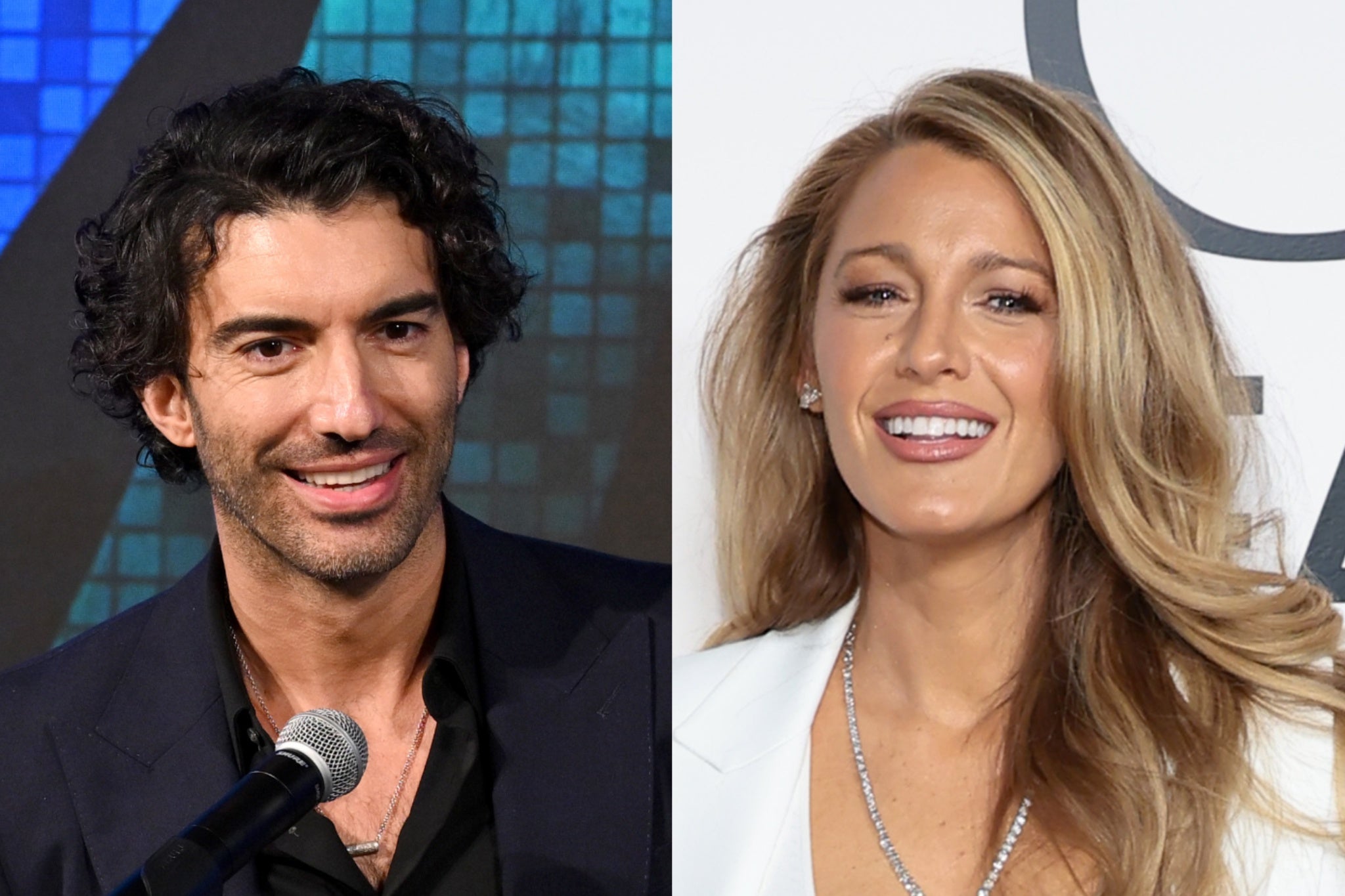
Justin Baldoni’s legal team has escalated a quiet dispute into a full-blown public reckoning, alleging that Blake Lively’s “unlikable” public persona and past social media behavior directly led to measurable business losses. The claim, emerging from behind-the-scenes negotiations and contract fallout, centers on Lively’s widely criticized trolling of Kate Middleton in the months before the Princess of Wales revealed her cancer diagnosis. What began as offhand celebrity commentary is now being framed in court filings as a reputational contagion that disrupted partnerships, damaged brand alignments, and derailed production timelines tied to Baldoni’s projects.
This isn’t just about optics—it’s about economics. In an environment where personal brands are inseparable from marketability, Baldoni’s attorneys argue that Lively’s actions created a ripple effect, alienating audiences, sponsors, and collaborators who now associate her controversies with adjacent figures in the industry. The damages, they claim, run into seven figures.
The Alleged Trigger: Lively’s Comments on Kate Middleton
In late 2023, amid swirling rumors about Kate Middleton’s health, Blake Lively made a series of remarks during a red carpet interview that were interpreted as dismissive and mocking. Referencing Middleton’s sudden absence from public events, Lively reportedly said, “Maybe she just needed a spa day,” followed by a smirk caught on camera. The comment, initially overlooked, resurfaced months later when Middleton announced she was undergoing cancer treatment.
Public backlash was swift and severe. Fans of the royal family accused Lively of insensitivity, with social media campaigns like #RespectKate trending globally. Memes juxtaposed Lively’s comment with Middleton’s frail public appearance after chemotherapy, amplifying the perception of cruelty. The moment became a case study in how celebrity tone-deafness can escalate into a full-blown PR crisis.
Baldoni’s legal team asserts that Lively’s moment of perceived callousness became a reputational liability for anyone associated with her—especially those in wellness, mental health, and family-oriented branding, spaces where Baldoni has built his career.
Business Impact: When Celebrity Image Affects Revenue
The lawsuit doesn’t accuse Lively of illegal acts. Instead, it pivots on the concept of “reputational spillover”—a legal theory gaining traction in celebrity litigation. Baldoni’s lawyers argue that his partnerships with wellness brands and mental health platforms suffered because marketers began distancing themselves from figures linked—however loosely—to Lively.
One key example: a planned yoga apparel line with a major eco-conscious retailer. According to internal emails cited in court documents, the brand’s marketing head wrote, “We can’t align with someone who’s in Blake Lively’s orbit right now. Our audience sees that as performative wellness—caring about inner peace but tolerating cruelty.”
The deal collapsed. Estimated loss: $1.4 million in projected royalties and equity.
Another project—a mental health documentary series Baldoni co-developed—lost two major sponsors after Lively was spotted at the same charity gala. The sponsors, both nonprofits focused on women’s health, cited “brand misalignment” in their withdrawal letters. Baldoni’s team argues this wasn’t coincidence but consequence.
“You don’t have to be directly involved to be collateral damage,” says media attorney Rachel Tran. “In influencer economies, guilt by association is a real financial risk. One misstep can devalue an entire network.”
The Legal Strategy: Unlikability as a Damaging Force

What makes this case unusual is its central argument: that Lively’s “unlikable” persona—formed over years of perceived arrogance, privilege, and social media posturing—amplified the damage. Baldoni’s lawyers aren’t just pointing to one incident. They’re building a narrative of sustained public alienation.
Court filings include:
- Screenshots of Lively’s Instagram comments, where fans accuse her of “performative feminism” and “Hollywood hypocrisy”
- Analytics showing spikes in negative sentiment tied to her public appearances
- Expert testimony from a behavioral economist modeling how celebrity likability affects endorsement value
They argue that Lively’s persona has crossed from “polarizing” into “toxic association,” making partnerships with her allies financially risky. In this framework, being seen as friends or collaborators becomes a liability.
“We’re not suing her for being mean,” Baldoni’s lead counsel stated in a deposition. “We’re suing because her brand toxicity disrupted legitimate business operations, and that has a cost.”
The Kate Middleton Factor: Timing and Sensitivity
The timing of Lively’s remarks—months before Middleton’s cancer revelation—adds a layer of moral complexity. While she couldn’t have known about the diagnosis, Baldoni’s team argues that the perception of insensitivity is what matters in the marketplace.
They cite internal focus group data from a major streaming platform that paused a Baldoni-led project over “audience sentiment risks.” Participants associated Lively’s comment with a broader culture of celebrity detachment. When asked if they’d support a show featuring someone linked to her, 68% said “no” or “probably not.”
“This wasn’t about truth or intent,” says PR strategist Dana Pruitt. “It was about narrative control. Once the story became ‘Blake mocked a cancer patient,’ anyone near her got painted with that brush.”
Middleton’s eventual disclosure transformed a rumor into a tragedy, retroactively altering the public interpretation of Lively’s words. In the court of public opinion, speculation became recklessness.
Industry Repercussions: The End of Neutral Ground? This case could set a precedent for how Hollywood measures indirect liability. Traditionally, lawsuits focus on direct actions—defamation, breach of contract, plagiarism. But here, the injury is atmospheric: the slow erosion of trust, the quiet withdrawal of partners, the unseen sponsor who never calls back.
Other public figures are watching closely. Reese Witherspoon, once close friends with Lively, has reportedly distanced herself professionally. Their production company, Pacific Standard, has not launched a joint project in over a year—a silence industry insiders attribute to brand recalibration.
Even Ryan Reynolds, Lively’s husband and a master of likable branding, has scrubbed references to Baldoni from his social media. Once, the two actors were seen together at charity events; now, the distance is palpable.
“This is the new risk calculus,” says entertainment analyst Marcus Lee. “You’re not just responsible for your actions. You’re responsible for the ecosystem around you. One toxic node can collapse the network.”
Can You Sue Someone for Being Unlikable?
Legally, it’s a stretch—but not impossible. Baldoni’s team is leaning on contract interference and loss of consortium theories, arguing that Lively’s behavior disrupted existing and future business relationships.
Precedent exists, though rarely in celebrity contexts. In 2018, a tech CEO successfully sued a former investor for “reputational sabotage” after the investor made derogatory public comments that scared off clients. The court awarded $3.2 million in damages.
The challenge here is proving causation. Baldoni must show a direct line between Lively’s actions and specific financial losses—not just public opinion shifts.
Critics say the lawsuit is a publicity play. “You can’t copyright likability,” says First Amendment lawyer Elena Torres. “If every celebrity sued over perceived slights, the court system would drown in ego.”
But Baldoni’s camp insists this isn’t about ego. It’s about economics. “We’re not asking for sympathy,” the filing states. “We’re asking for accountability when behavior disrupts lawful commerce.”
Practical Lessons for Public Figures
This case offers stark takeaways for anyone building a personal brand:
- Audit your associations – Who you’re seen with matters more than ever. A single controversial figure can devalue your brand.
- Timing is everything – A joke today can be a scandal tomorrow, especially if real-world events reframe it.
- Public sentiment is quantifiable – Brands use AI sentiment analysis to decide partnerships. Negative spikes matter.
- Silence can be strategic – When rumors swirl about others, speaking carelessly can backfire catastrophically.
- Reputation is an asset – And like any asset, it can depreciate—sometimes due to factors beyond your control.
For Baldoni, the lesson came at high cost. Once positioned as a rising voice in empathetic storytelling, he now fights to separate his brand from a controversy he didn’t start.
The Road Ahead: Resolution or Rupture?
As of now, Lively has not issued a public response. Her legal team has filed a motion to dismiss, calling the claims “speculative, inflammatory, and devoid of legal merit.”
But the damage, real or perceived, is already in motion. Sponsors remain cautious. Projects stay on hold. And the conversation has shifted from “Did she mean it?” to “Who pays for it?”
Regardless of the courtroom outcome, this case underscores a new reality: in the age of instant narrative formation, a celebrity’s offhand remark can become someone else’s financial burden. The line between personal expression and professional consequence has never been thinner.
For public figures, the mandate is clear—choose words, associations, and moments with the rigor of a CFO. Because in today’s media economy, reputation isn’t just image. It’s revenue.
Act now: Audit your public network. Review past statements. Measure sentiment. In a world where likability has a dollar value, neutrality is no longer safe.
FAQ
What are Justin Baldoni’s lawyers claiming about Blake Lively? They allege her “unlikable” public image and past comments about Kate Middleton caused business losses by damaging partnerships and sponsorships tied to Baldoni.
Did Blake Lively know Kate Middleton had cancer when she made the remarks? No, Middleton’s cancer diagnosis was revealed months later. However, Baldoni’s team argues the perception of insensitivity harmed associated brands.
How are business losses being calculated? Through lost sponsorship deals, canceled projects, and diminished marketability, with some estimates exceeding $1 million.
Can you legally sue someone for being unlikable? Not directly, but you can sue if unlikability leads to provable financial harm, such as contract interference or reputational devaluation.
What precedent exists for this type of lawsuit? In 2018, a tech CEO won a “reputational sabotage” case against an investor whose public comments scared off clients.
Is there proof that Lively’s actions directly hurt Baldoni’s business? Baldoni’s team cites internal emails, focus group data, and lost deals, though causation remains legally contested.
How has the public reacted to the lawsuit? Mixed. Some support Baldoni’s right to protect his brand; others see it as an overreach targeting free expression and personal opinion.
FAQ
What should you look for in Justin Baldoni Lawyers Blame Blake Lively for Business Losses? Focus on relevance, practical value, and how well the solution matches real user intent.
Is Justin Baldoni Lawyers Blame Blake Lively for Business Losses suitable for beginners? That depends on the workflow, but a clear step-by-step approach usually makes it easier to start.
How do you compare options around Justin Baldoni Lawyers Blame Blake Lively for Business Losses? Compare features, trust signals, limitations, pricing, and ease of implementation.
What mistakes should you avoid? Avoid generic choices, weak validation, and decisions based only on marketing claims.
What is the next best step? Shortlist the most relevant options, validate them quickly, and refine from real-world results.