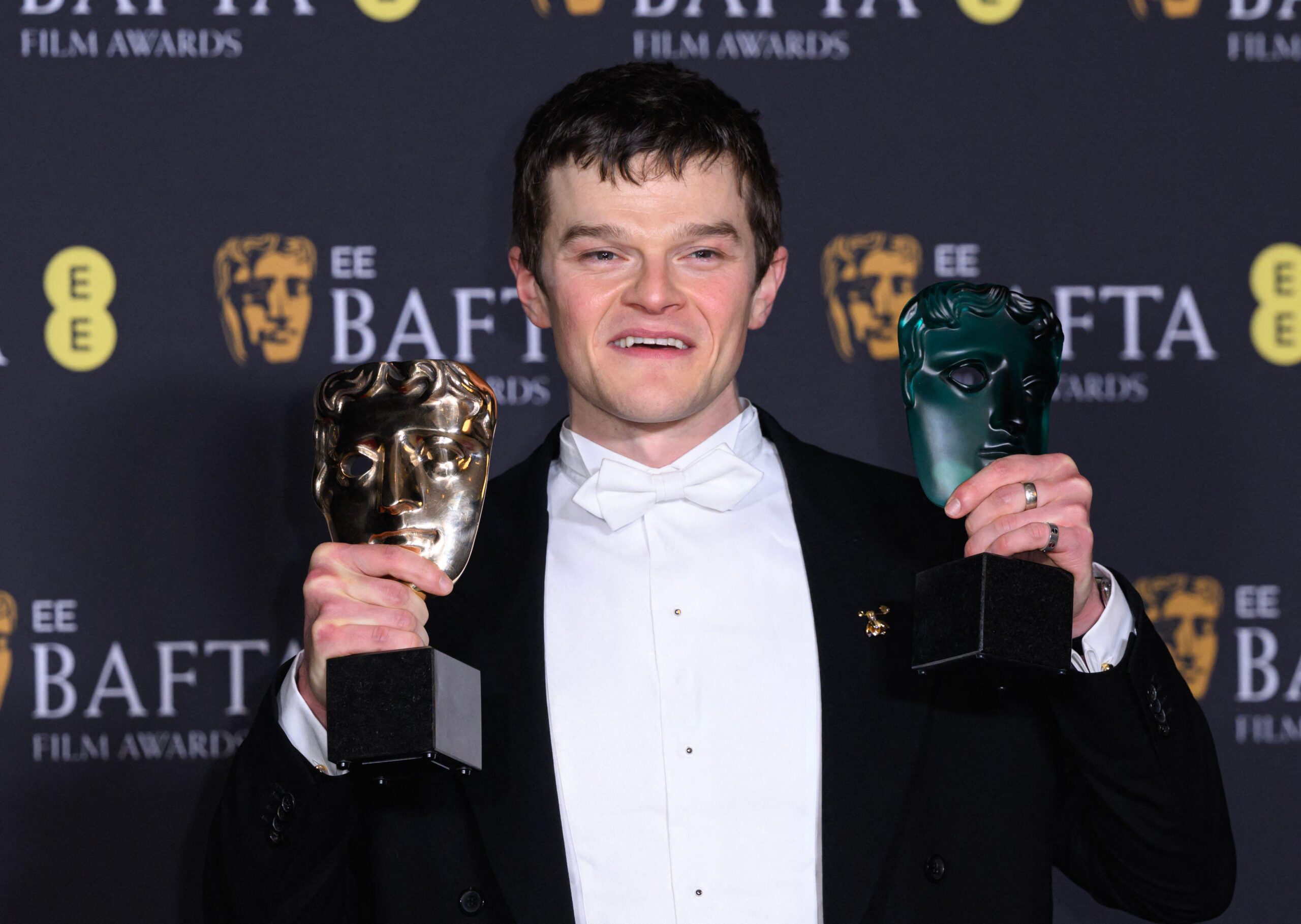
The 2026 BAFTA Craft Awards didn’t just honor technical excellence—they confirmed a cultural shift. Adolescence, the raw, unflinching Netflix drama about teenage identity and systemic neglect, took home two major awards, continuing its meteoric rise. Meanwhile, Celebrity Traitors, the bold reimagining of the classic game format, secured a surprise win, proving prestige isn’t limited to scripted drama. This wasn’t just an awards night; it was a statement about where British storytelling is headed—and who’s leading the charge.
Why the Craft Awards Matter More Than Ever
While the main BAFTAs spotlight performances and overall production, the Craft Awards are where the backbone of television is recognized: editing, sound design, costume, production, and visual effects. These are the quiet architects of immersion. A show winning here doesn’t just look good—it feels authentic, emotionally grounded, and technically flawless.
This year, the competition was fierce. The Last Horizon, a BBC sci-fi epic, led with seven nominations. Silent Parish, a Channel 4 period thriller, followed closely. But it was Adolescence—a series initially dismissed by some as "another teen drama"—that emerged with two pivotal trophies: Best Editing: Fiction and Best Original Music: Series.
That Adolescence won in craft categories, not performance or writing, speaks volumes. This isn’t just compelling content—it’s masterfully constructed television.
Adolescence: How a Teen Drama Became a Technical Powerhouse
On paper, Adolescence follows 16-year-old Jamie, navigating school violence, fractured home life, and identity in a northern English town. But its power lies in execution. Director Ava Kelders and showrunner Theo Madsen made a deliberate choice: realism over gloss. No studio sets, no over-lit close-ups. The camera stays handheld, often shaky, pulling viewers into the immediacy of each scene.
The win for Best Editing: Fiction went to lead editor Linh Tran. Her work stitches together fragmented timelines—Jamie’s past and present intercut without warning—creating a psychological rhythm that mirrors trauma. In Episode 4, a 12-minute single-take sequence unfolds during a school riot. Tran’s edit blends real security footage, on-the-ground handheld shots, and distant drone angles. The seamlessness fooled many viewers into thinking it was all one continuous take.
“Editing isn’t about hiding cuts,” Tran said in her acceptance speech. “It’s about making the audience forget they’re watching a screen.”
The Best Original Music: Series award went to composer Mira El-Sayed, whose score uses minimal instrumentation—prepared piano, distant radio static, whispered vocal loops—to evoke emotional isolation. The theme song, “Static Bloom,” opens each episode with a single decaying note, fading into silence. Critics praised its restraint; fans call it “hauntingly familiar.”
“Music in Adolescence isn’t there to tell you how to feel,” El-Sayed explained post-show. “It’s there to remind you how alone you can feel even in a crowd.”
Behind the Scenes: The Production Philosophy That Won
Adolescence wasn’t a guaranteed hit. Netflix initially greenlit it as a limited eight-episode run, skeptical of its regional dialect, non-celebrity cast, and lack of traditional plot arcs. But the production team refused to compromise.
Key decisions that paid off:
- Casting real teens, not 25-year-olds playing 16. The lead, Darnell Mbaye, was discovered through a Manchester youth theater program.
- Filming in sequence, uncommon for TV, allowing emotional continuity.
- No scripts for background actors. Extras were given scenarios and encouraged to react authentically, creating organic chaos in school and home scenes.
The result? A series that feels less like fiction and more like documentary. That authenticity resonated with BAFTA’s craft voters—especially in sound design, where the show was also nominated but narrowly lost to The Last Horizon.
“We didn’t want ‘characters,’” Madsen said in a recent interview. “We wanted people. That meant every department had to work in service of truth, not drama.”
Celebrity Traitors: The Unexpected Game-Changer
While Adolescence dominated headlines, Celebrity Traitors quietly made history. The show, a celebrity twist on the long-running The Traitors, took home Best Multi-Camera Production: Entertainment, a category typically dominated by live events and panel shows.
Hosted by comedian and broadcaster Jaz Singh, the series pits 12 UK celebrities against each other in a psychological battle of trust and betrayal. Unlike its predecessor, this version leans into emotional narrative—each episode includes confessional-style interviews exploring identity, trauma, and public persona.
What won the craft judges? The seamless integration of single-camera confessionals with real-time multi-cam gameplay. Director Priya Nair used a hybrid approach: live feeds from castle corridors, hidden mics in challenge zones, and cinematic re-creations of secret meetings. The editing team synchronized split-screen feeds so precisely that viewers could spot micro-expressions before eliminations.
The production design—a repurposed Scottish baronial estate—was also a standout. No green screens. Every torch-lit corridor and hidden chamber was physically built or adaptively lit.
“Reality TV isn’t just about drama,” Nair said. “It’s about storytelling under pressure. We treated each episode like a thriller.”
What These Wins Say About the Future of British TV
The 2026 Craft Awards reflect a broader industry shift:
- Streaming demands craft excellence. With audiences choosing content from thousands of options, technical polish is no longer optional. Adolescence’s restrained editing and sound design create intimacy—something algorithm-driven viewers respond to.
- Genre boundaries are dissolving. A teen drama wins alongside a reality format. BAFTA’s craft voters are rewarding innovation, not category purity.
- Regional authenticity is in. Both Adolescence (filmed in Leeds) and Celebrity Traitors (shot in the Highlands) leaned into their locations, using local crews and real settings. This regional grounding resonated with voters tired of London-centric productions.
- Youth perspectives are being taken seriously. For years, teen content was dismissed as niche. Now, shows that treat adolescence with psychological depth are being recognized at the highest technical levels.
Common Mistakes in Crafting Award-Worthy Series (And How
These Shows Avoided Them)
Many high-concept dramas fail at the craft level. Here’s how Adolescence and Celebrity Traitors dodged the pitfalls:
- Over-reliance on music to drive emotion
- Adolescence uses silence as boldly as sound. In the episode “Detention,” a 7-minute stretch unfolds without score—just dripping taps and distant shouts. Most dramas would layer tension music; this one trusted the audience.

- Prioritizing visuals over sound
- Sound design in Adolescence is narrative. The hum of a school radiator, the echo in an empty hallway—these aren’t background. They signal emotional states. In Episode 6, Jamie’s dissociation is mirrored by a sudden muffling of all ambient noise.
- Treating reality TV as “lesser” production
- Celebrity Traitors gave the same creative attention to camera placement and lighting as a drama. The elimination chamber is lit like a courtroom—harsh overheads, shadows on faces—elevating the stakes.
Practical Takeaways for Creators and Producers
If you’re developing content aiming for this level of recognition, consider:
- Budget for craft early. Many shows allocate funds to stars or VFX, then cut corners on editing or sound. These awards show that craft is storytelling.
- Hire specialists, not generalists. Adolescence brought on a trauma consultant to guide sound design. The result? Realistic tinnitus effects during panic attacks.
- Let the format serve the story—not the reverse. Celebrity Traitors didn’t just mimic the original. It added narrative depth through production design and pacing.
A telling metric: episodes of Adolescence have an average rewatch rate of 2.7 times on Netflix, far above the platform’s drama average of 1.4. Why? The layered editing and sound reward repeat viewing. That’s craft creating engagement.
Final Word: Craft as Narrative
The 2026 BAFTA Craft Awards weren’t just about who won—they revealed what British television values now. Not spectacle, but substance. Not star power, but structural intelligence.
Adolescence didn’t win because it’s about teens. It won because every frame, every cut, every note serves a psychological truth. Celebrity Traitors didn’t win because it’s fun. It won because it treats its format with cinematic rigor.
For creators, the message is clear: audiences—and award bodies—can no longer be fooled by surface polish. The real magic is in the machinery beneath.
If you’re building the next breakout show, don’t just ask, “What’s the story?” Ask, “How is it built?”
FAQ
Did Adolescence win any other BAFTA categories outside the Craft Awards? As of the 2026 ceremony, Adolescence has not yet competed in the main BAFTA TV Awards, which typically occur months later. Its craft wins have significantly boosted its chances in major categories like Best Drama Series.
Who composed the music for Adolescence? Mira El-Sayed, an Egyptian-British composer known for her experimental ambient work, created the original score. She previously scored the indie film Glass Year.
Why did Celebrity Traitors win in a craft category usually for live events? The show’s innovative use of multi-camera setups, real-time editing, and integrated cinematic techniques set a new standard for structured reality formats, impressing technical voters.
Was Adolescence filmed in chronological order? Yes—unusual for television, the entire series was shot in story sequence to preserve emotional continuity among the young cast.
How many nominations did Adolescence receive at the Craft Awards? The show received five nominations: winning Best Editing and Best Original Music, and placing in the top three for Sound Design, Production Design, and Photography.
Is Adolescence based on a true story? While fictional, the series was developed in collaboration with youth workers, psychologists, and former students from underserved communities to reflect real experiences.
Where can I watch the BAFTA Craft Awards highlights? Highlights and full acceptance speeches are available on the BAFTA website and YouTube channel.
FAQ
What should you look for in BAFTA Craft Awards Winners: Adolescence Dominates? Focus on relevance, practical value, and how well the solution matches real user intent.
Is BAFTA Craft Awards Winners: Adolescence Dominates suitable for beginners? That depends on the workflow, but a clear step-by-step approach usually makes it easier to start.
How do you compare options around BAFTA Craft Awards Winners: Adolescence Dominates? Compare features, trust signals, limitations, pricing, and ease of implementation.
What mistakes should you avoid? Avoid generic choices, weak validation, and decisions based only on marketing claims.
What is the next best step? Shortlist the most relevant options, validate them quickly, and refine from real-world results.