The BAFTA Craft Awards have long been the benchmark for technical and creative mastery in British television and film. In 2026, the spotlight burned brightest on Adolescence—Netflix’s raw, emotionally charged drama about fractured identity, trauma, and survival in modern Britain. The series didn’t just win; it dominated, securing two major craft accolades that speak to its exceptional direction and sound design. Alongside it, Celebrity Traitors emerged as a dark horse, lauded for its audacious production work and reinvention of reality television.
This wasn’t just an awards sweep—it was a statement. A signal that streaming platforms are no longer chasing prestige but defining it.
Why Adolescence Took the Crown—Twice
Adolescence didn’t arrive with fanfare. Its first season premiered quietly, buried beneath algorithmic noise and competing global releases. But word-of-mouth, fueled by visceral performances and unflinching writing, turned it into a cultural touchstone. By Season 2, it wasn’t just popular—it was essential viewing. The BAFTA Craft jury recognized what audiences already knew: this is television crafted at the highest level.
The series won in two fiercely competitive categories: - Best Fiction Sound - Best Director: Fiction
These aren’t popularity prizes. They’re awards for precision, vision, and collaboration—the kind of wins that elevate entire production teams.
The Sound That Shaped a Generation
The sound design in Adolescence isn’t just effective—it’s narrative. In Episode 4, “Static,” the protagonist, Jamie, suffers a dissociative episode triggered by a crowded train station. The mix doesn’t just layer ambient noise. It fractures it: voices distort into echoes, train brakes become metallic screams, and Jamie’s breath grows unnaturally loud, then vanishes entirely. Silence becomes a character.
This moment, crafted by sound supervisor Mira Khurana and her team, won universal praise. BAFTA’s citation noted “a radical reimagining of auditory perspective, where sound doesn’t support the story—it tells it.”
For sound designers, this win is a blueprint. It proves that streaming content can push technical boundaries just as boldly as cinema.
Direction as Emotional Architecture
Director Nadia Solis didn’t just shoot scenes—she built emotional environments. Her work on the Season 2 finale, “The Lie,” is now taught in film schools. The 17-minute single take, tracking Jamie’s confrontation with his estranged father, required 43 rehearsals, custom rigging, and real-time lighting adjustments.
Solis’ approach? “Control the frame, but surrender to the performance.” The camera glides, but never distracts. It follows pain, not plot. The result is intimacy so intense it borders on invasive.
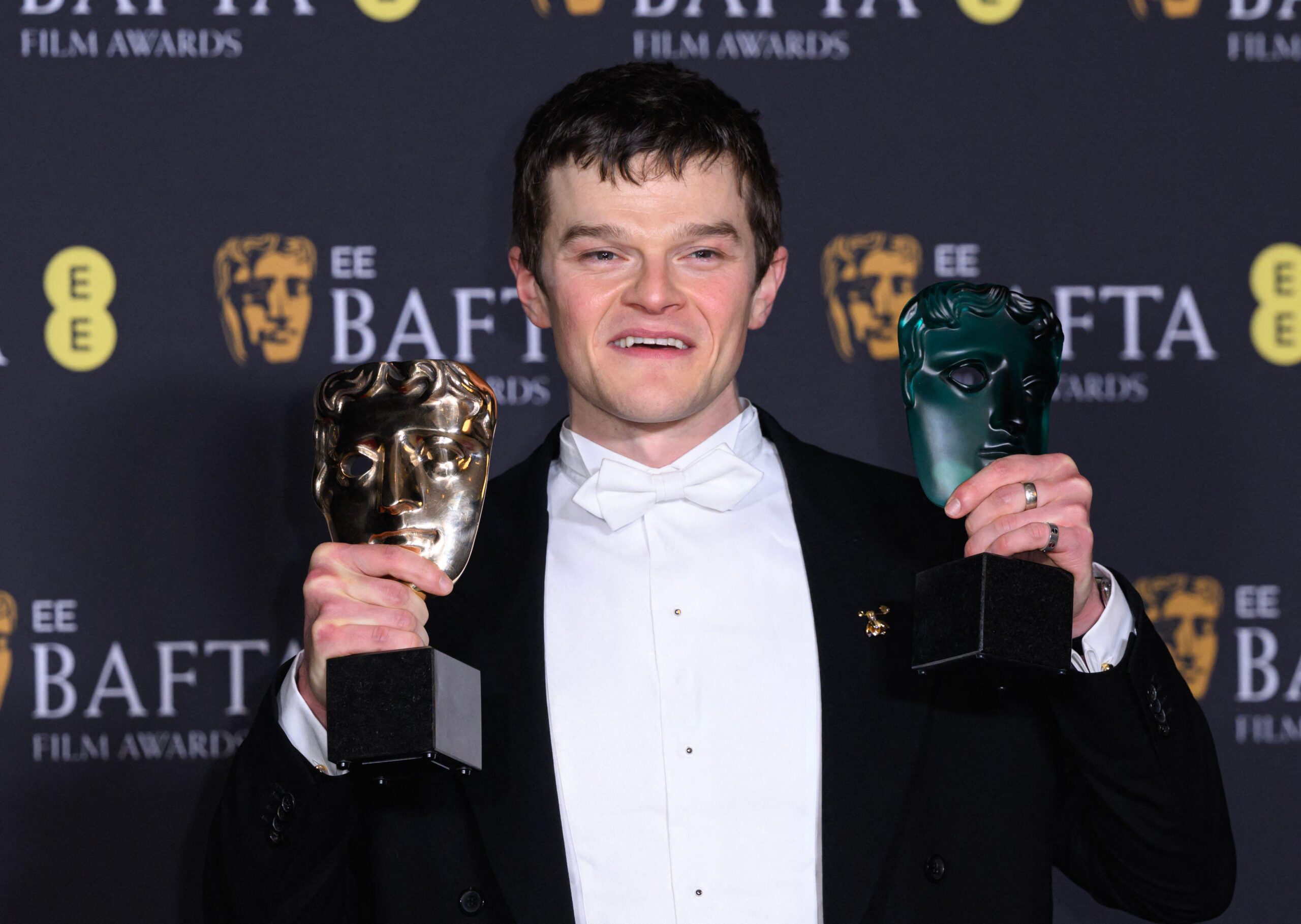
Her BAFTA win isn’t just personal—it’s symbolic. Female directors, especially those of South Asian descent, remain underrepresented in high-end drama. Solis’ victory signals a shift, not just in recognition but in opportunity.
Celebrity Traitors: The Reality Show That Feels Like a Thriller
While Adolescence dominated headlines, Celebrity Traitors slipped in with a quiet revolution. On paper, it’s another reality format: UK celebrities compete in challenges while one among them—“The Traitor”—sabotages from within. But in execution, it’s something else entirely.
The show won Best Production Design: Multi-Camera, a rare feat for a reality series. Why? Because its creators didn’t treat it as disposable entertainment. They built a world.
A Set That Lies
The central set—a gothic Scottish manor filmed at Ardgowan Estate—is more than backdrop. It’s a psychological tool. Hallways narrow as eliminations mount. Lighting shifts from golden warmth to cold blue the moment a new Traitor is chosen. Hidden cameras are disguised as antique mirrors and taxidermy eyes.
Production designer Eleanor Voss called it “an architecture of suspicion.” Every prop has purpose. Even the cutlery is slightly asymmetrical to induce low-grade discomfort.
This level of detail isn’t typical for reality TV. It’s the kind of obsessive craft seen in prestige dramas. And BAFTA noticed.
Casting Against Type
The casting team made a bold choice: no reality regulars. No influencers. Instead, they pulled respected actors, comedians, and athletes—people used to scrutiny but untrained in game strategy.
Result? Genuine emotional reactions. When stage actor Clive Renshaw was betrayed by his closest ally, his breakdown wasn’t performative. It was real. The camera held. The audience leaned in.
This authenticity elevated the show from gimmick to cultural commentary. Is trust even possible when everyone’s playing a role?
The Craft Behind the Crown: What Winners Know
Winning a BAFTA Craft Award isn’t about budget. It’s about intent. The teams behind Adolescence and Celebrity Traitors shared three crucial traits:
- Obsession with detail – Nothing is accidental. Every shadow, sound cue, and camera movement serves the story.
- Collaborative hierarchy – The director doesn’t override the sound team. The production designer consults the lighting crew. Credit is shared.
- Willingness to fail – Adolescence’s sound team spent 11 days testing a single breath effect that was ultimately cut. But that failure led to the breakthrough used in “Static.”
These aren’t just production values. They’re philosophies.
Streaming’s New Golden Age
The 2026 BAFTA Craft Awards mark a turning point. For years, broadcasters like the BBC and Channel 4 dominated craft categories. Now, Netflix isn’t just competing—it’s leading.
But it’s not just about platform power. It’s about freedom. Streaming allows for risk: longer shoots, experimental sound, deeper character arcs. Adolescence had six months in post-production. Celebrity Traitors spent more on set design than its entire cast.
Traditional TV, bound by ad breaks and overnight ratings, often can’t match that.

Still, challenges remain. Streaming success doesn’t guarantee longevity. Adolescence’s Season 3 is delayed due to lead actor burnout—a reminder that human cost still shadows creative triumph.
What These Wins Mean for Creators
If you’re a writer, director, or technician, the message is clear: craft matters more than ever.
Audiences can sense when something is rushed, generic, or emotionally hollow. They scroll past. But when they feel seen—when a sound cue makes their chest tighten or a set design unsettles their subconscious—they stop. They share. They return.
The winners of 2026 proved that excellence in craft isn’t a niche pursuit. It’s the engine of engagement.
For emerging creators: - Study the long takes in Adolescence’s finale. Note how pacing mirrors emotional intensity. - Break down Celebrity Traitors’ sound palette. Notice how music is absent during eliminations—only ambient noise remains. - Prioritize collaboration over ego. The best work happens at intersections, not silos.
The Legacy Begins Now
Adolescence didn’t just win two awards. It set a new standard. Its blend of psychological depth and technical precision will influence drama for years. Celebrity Traitors, meanwhile, redefined what reality TV can be—no longer just trashy fun, but a space for tension, betrayal, and design mastery.
The BAFTA Craft Awards have always honored the invisible labor behind great storytelling. In 2026, they spotlighted two shows that made the invisible unforgettable.
The bar has been raised. For creators, there’s no excuse not to jump.
What made Adolescence stand out at the BAFTA Craft Awards? Its sound design and direction transformed technical elements into emotional storytelling tools, earning recognition for innovation and depth.
Did Celebrity Traitors win any acting awards? No—its win was in Best Production Design, reflecting its achievement in set and environmental storytelling, not performance.
How many nominations did Adolescence receive? The series received five craft nominations, winning two: Best Fiction Sound and Best Director: Fiction.
Is Adolescence based on a true story? While fictional, the series consulted trauma specialists and real survivors to ensure its portrayal of mental health was authentic and responsible.
Why is the BAFTA Craft Awards separate from the main BAFTAs? The Craft Awards focus exclusively on technical and behind-the-scenes excellence—editing, sound, design, direction—rather than acting or overall show success.
Can reality TV really compete with scripted drama in craft categories? Celebrity Traitors proved it can, through meticulous design, psychological tension, and production ambition typically reserved for scripted formats.
What’s next for the creators of Adolescence? Director Nadia Solis is developing a limited series on institutional abuse, while the sound team is collaborating on an immersive audio project for Netflix’s first spatial audio release.
FAQ
What should you look for in BAFTA Craft Awards: Adolescence Wins Big Alongside Celebrity Traitors? Focus on relevance, practical value, and how well the solution matches real user intent.
Is BAFTA Craft Awards: Adolescence Wins Big Alongside Celebrity Traitors suitable for beginners? That depends on the workflow, but a clear step-by-step approach usually makes it easier to start.
How do you compare options around BAFTA Craft Awards: Adolescence Wins Big Alongside Celebrity Traitors? Compare features, trust signals, limitations, pricing, and ease of implementation.
What mistakes should you avoid? Avoid generic choices, weak validation, and decisions based only on marketing claims.
What is the next best step? Shortlist the most relevant options, validate them quickly, and refine from real-world results.